Each holds promise in its own way to transform the world, and each has a distinctly game-y feel.

Crypto gaming, which combines blockchain technology with video games, is quickly gaining attention in the gaming industry. This new sector lets players own digital assets, take part in decentralized economies, and even earn real-world income through gameplay.
As crypto gaming keeps growing, it could have a big impact on traditional gaming. It could change how games are played, owned, and monetized.
The arrival of blockchain technology and non-fungible tokens (NFTs) has led to the introduction of crypto gaming. Blockchain provides a safe and transparent platform for game development, allowing creators to build decentralized games where players have actual ownership of in-game assets.
NFTs, unique digital tokens representing ownership of specific items, have become a key part of this ecosystem. Players can now own, trade, and sell their in-game assets, creating real-world value through a play-to-earn model.
Blockchain Technology in Gaming
Blockchain technology offers a decentralized and secure system for game development with some pretty big advantages. It prevents fraud by making sure that all transactions and records of who owns what are fixed and transparent. This security means players can trust each other and invest in or trade digital assets without worrying about fraud.
On top of that, blockchain creates new investment possibilities, letting players put money into games and get a return on their investment. This model not only funds game development but also brings developers and players together, helping to build an engaged and loyal community.
Digital Assets and NFTs
NFTs have changed the way we think about digital ownership in gaming. Unlike traditional in-game items, NFTs are unique and can be owned outright by players. This ownership goes beyond the game itself, too. You can trade or sell NFTs on various marketplaces, which creates a real-world economy for virtual goods.
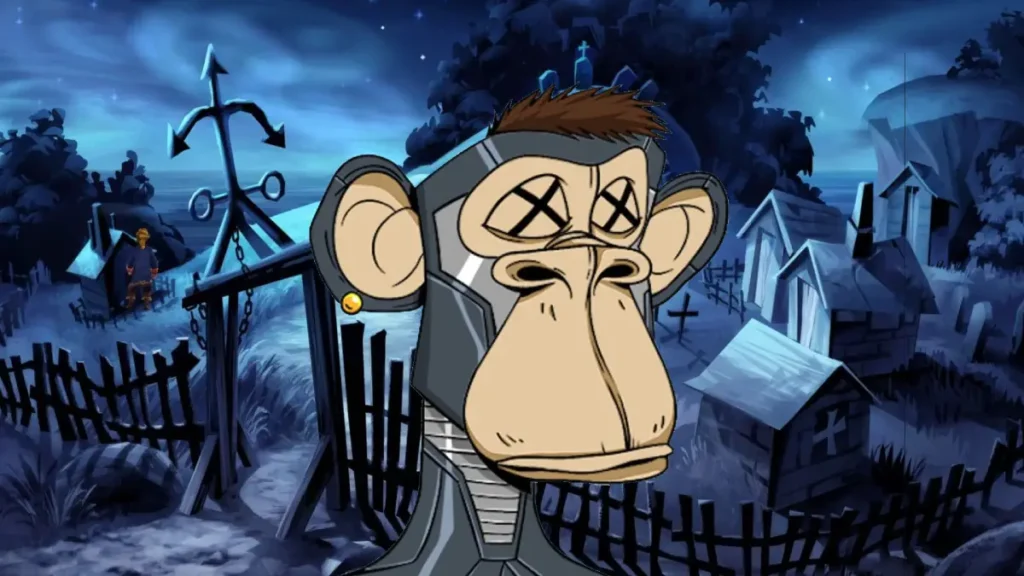
Games like Axie Infinity and CryptoKitties have shown the potential of NFTs in gaming. Players can earn rewards, trade rare items, and feel like they’re part owners of the game. This change gives players more control over their digital assets and lets them monetize gaming.
Challenges and Opportunities
Crypto gaming has a lot of potential, but it also faces a few challenges. Regulatory issues and market fluctuations can pose a risk to both developers and players. The legal status of digital assets and the regulatory framework surrounding them are still evolving, which can create uncertainty in the market.
Crypto gaming possesses all the right parameters to have a big impact on the traditional gaming industry, driving innovation and creating new opportunities for players and developers. As decentralized gaming keeps changing, it’ll be interesting to see how these trends affect traditional gaming in the future.
[Source: Cryptology]