The crypto landscape in 2026 is vastly different from the early days of “Wild West” investing. With institutional adoption at an all-time high and stricter global regulations, the way we secure our digital assets has evolved. Yet, the age-old debate remains: Hardware Wallets vs. Cold Storage. While often used interchangeably, understanding the nuance between these two is the difference between true self-custody and potential vulnerability.
What is Cold Storage in 2026?
At its core, Cold Storage refers to any method of keeping your private keys completely offline. In 2026, this has expanded beyond simple paper seeds. We now see:
- Steel and Titanium Backups: Fireproof and waterproof plates that preserve recovery phrases for decades.
- Air-Gapped Systems: Computers or dedicated devices that never touch a network, using QR codes or microSD cards to sign transactions.
The goal of cold storage is simple: eliminate the “digital bridge” that hackers use to reach your funds.
The Rise of Smart Hardware Wallets
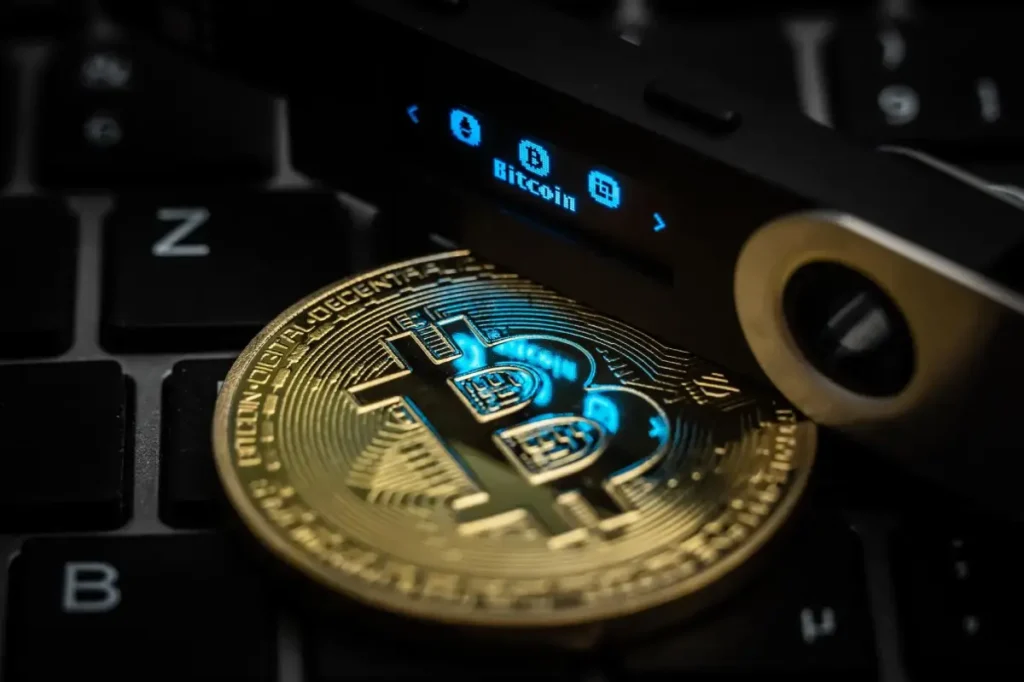
Hardware wallets, such as the latest models from Ledger, Trezor, and Tangem, have become the most popular form of “active” cold storage. In 2026, these devices have moved beyond clunky USB sticks. Today’s market leaders offer:
- Biometric Authentication: Fingerprint scanning is now a standard for high-end signers.
- EAL7+ Security Chips: Providing military-grade protection against physical tampering.
- Seamless dApp Integration: You can now interact with DeFi protocols and NFT marketplaces directly from the device’s secure environment.
Hardware Wallets vs. Pure Cold Storage: Which One?
If you are a long-term holder (HODLer) with significant assets, “Passive” Cold Storage (like a metal seed plate buried in a safe) remains the ultimate fortress. It has zero electronic components that can fail over time.
However, for the modern investor who stakes SOL, trades on DEXs, or manages an NFT portfolio, a Hardware Walletis the superior choice. It provides “Cold” security with “Hot” usability. You get the peace of mind of an offline chip with the ability to move funds in seconds when the market shifts.
The 2026 Verdict
In an era where exchange hacks still make headlines, self-custody is no longer optional—it is essential. * Use a Hardware Wallet for your “operating capital” (the funds you might use this year).
- Use Pure Cold Storage for your “generational wealth” (the BTC you don’t plan to touch for a decade).
At Linkifay, we recommend a hybrid approach. Secure your future by taking your keys off the exchange today.