
The meteoric rise of Non-Fungible Tokens (NFTs) in 2021 and 2022 felt like a digital gold rush. From Bored Apes selling for millions to digital real estate fetching record prices, the hype was inescapable. However, fast forward to 2026, and the narrative has shifted dramatically. Critics and data analysts alike often claim that “NFTs are dead.” But is it a total demise, or a necessary evolution?
The Burst of the Speculative Bubble
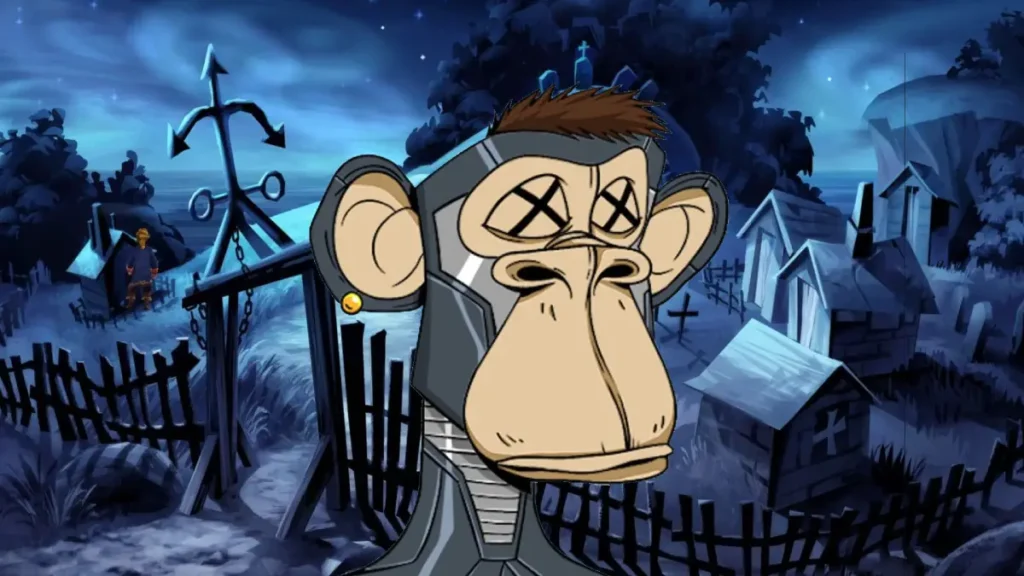
The primary reason for the massive drop in NFT values—some collections losing over 95% of their floor price—is the bursting of a speculative bubble. In the early days, buyers weren’t collecting art; they were “flipping” assets for quick profits. When the liquidity dried up and the global economy tightened, the demand for “profile picture” (PFP) projects vanished. Most of these projects lacked intrinsic value or long-term roadmaps, leading to a flooded market where supply far outpaced genuine interest.
The Shift from Hype to Utility
The “death” of NFTs is actually a rebranding. The market has moved away from speculative digital art toward functional utility. In 2026, the industry is no longer obsessed with “ownership for ownership’s sake.” Instead, the underlying blockchain technology is being integrated into:
- Gaming: True ownership of in-game assets that can be moved between platforms.
- Ticketing: Using NFTs to eliminate fraud in the concert and sports industries.
- Real-World Assets (RWA): Tokenizing physical real estate and luxury goods to simplify global trade.
High Entry Barriers and Security Risks
Complexity and security have also contributed to the decline. For the average user, managing “seed phrases” and dodging “rug pulls” or phishing scams became too burdensome. The lack of consumer protection in a decentralized space meant that once value began to dip, trust evaporated even faster.
YouTuber Logan Paul purchased this NFT for $635,000 in 2021.
— Watcher.Guru (@WatcherGuru) February 15, 2026
Today, it's worth $155. pic.twitter.com/UnCN4nn2pi
Evolution, Not Extinction
NFTs aren’t dead; they are growing up. The era of low-effort JPEG projects selling for millions is over, and that is a healthy development for the crypto ecosystem. We are entering a “Quiet Phase” where developers are building real-world applications that focus on technology rather than hype.
For investors and enthusiasts at Linkifay, the lesson is clear: value in 2026 is driven by utility, not scarcity. The market hasn’t disappeared—it has simply become smarter.


