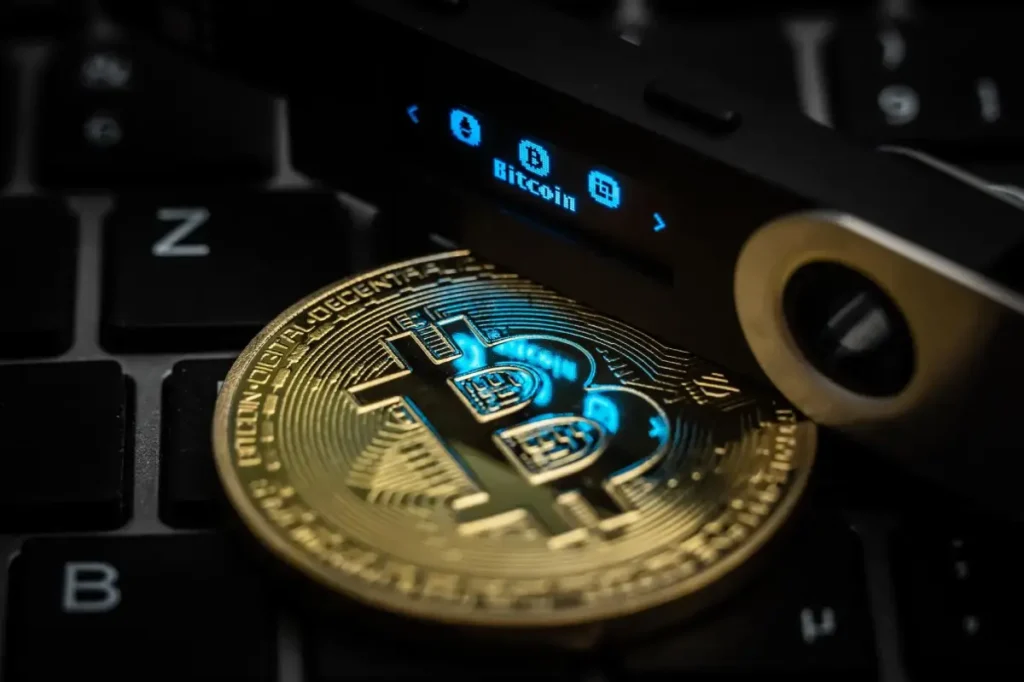
In the world of cryptocurrency, securing your digital assets is paramount. Beyond simply owning Bitcoin or Ethereum, understanding how to store them safely is crucial. This often leads to the discussion of “hot,” “cold,” and “warm” wallets, each offering distinct advantages and disadvantages when it comes to accessibility and security.
Hot Wallets: Convenience at Your Fingertips
Hot wallets are essentially cryptocurrency wallets that are connected to the internet. This includes exchange wallets, mobile apps, and desktop software wallets. Their primary benefit is unparalleled convenience. You can easily send, receive, and trade cryptocurrencies on the go, making them ideal for frequent transactions and active traders. Many hot wallets also offer user-friendly interfaces, making them approachable for newcomers.
However, this constant internet connection is also their biggest vulnerability. Hot wallets are more susceptible to hacking attempts, malware, and phishing scams. If a malicious actor gains access to your device or the platform hosting your wallet, your funds could be compromised. While reputable exchanges and wallet providers employ robust security measures, the inherent online nature carries a higher risk.
Cold Wallets: The Fort Knox of Crypto
Cold wallets, by contrast, are completely offline. Think of hardware wallets (physical devices resembling USB drives) or paper wallets (public and private keys printed on paper). Their primary advantage is superior security. Since they are not connected to the internet, they are virtually immune to online hacking attempts. This makes them the preferred choice for storing large amounts of cryptocurrency for long-term holding.
The trade-off for this enhanced security is convenience. Accessing funds in a cold wallet typically requires a more involved process, often involving connecting the device to a computer or manually inputting keys. This makes them less suitable for frequent transactions. Losing or damaging a hardware wallet, or misplacing a paper wallet, can also result in irreversible loss of funds if proper backup procedures aren’t followed.
Warm Wallets: The Balanced Approach
The concept of “warm wallets” is a newer, less formalized category that attempts to bridge the gap between hot and cold. These might involve multi-signature wallets, where several approvals are needed for a transaction, or certain types of desktop wallets that prioritize security features while still offering a degree of online accessibility for easier management than a pure cold storage solution.
Warm wallets aim to offer a balance of security and usability. They might not be as instantly accessible as a hot wallet, nor as impenetrable as a cold wallet, but they seek to provide a middle ground for users who need more than basic hot wallet security without the full commitment and occasional inconvenience of a dedicated cold storage solution.
Choosing the Right Wallet
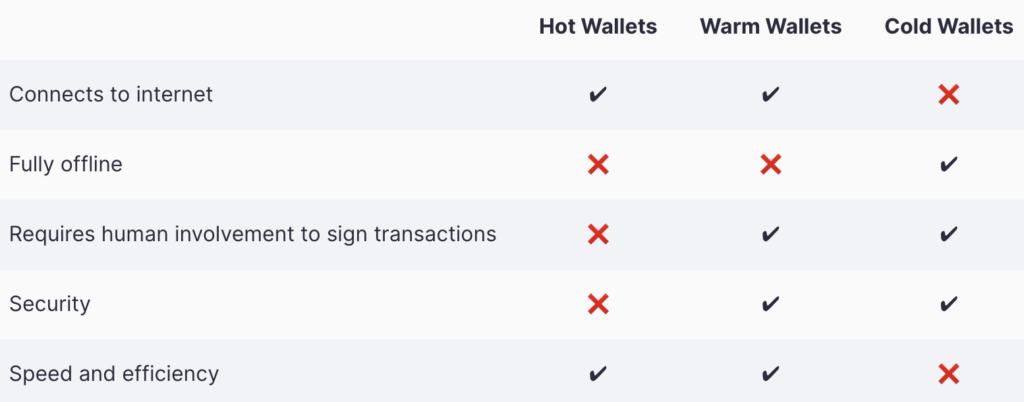
Ultimately, the best wallet type depends on your individual needs and risk tolerance. For small amounts of crypto used for daily transactions, a hot wallet might suffice. For substantial holdings or long-term investments, a cold wallet is highly recommended. As your crypto portfolio grows, a diversified approach, utilizing a combination of hot, warm, and cold wallets, often provides the most robust and flexible security strategy. Always prioritize strong passwords, two-factor authentication, and thorough research before entrusting your assets to any wallet solution.