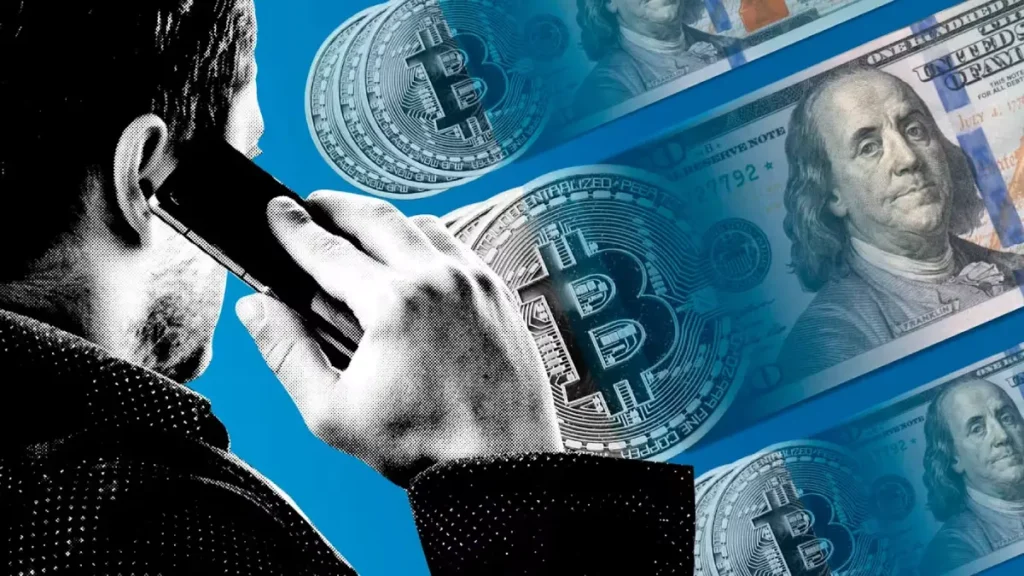
When Satoshi Nakamoto released the Bitcoin whitepaper, the vision was clear: a peer-to-peer electronic cash system, free from central banks and government control. It was supposed to be a pure form of decentralization.

Fast forward to 2025, and that utopian vision is fading rapidly. Bitcoin is now a multi-trillion-dollar asset, but its integration into the mainstream financial system—driven largely by new regulations and banking compliance—is slowly eroding its core principle. The question is no longer if banks will adopt crypto, but how deeply that adoption will compromise its soul.
The Trojan Horse: Spot ETFs and Institutional Grasp
The approval of Spot Bitcoin ETFs in major markets marked a pivotal moment. While they brought legitimacy and trillions of dollars of potential capital, they also served as a Trojan Horse. Now, ownership of Bitcoin is increasingly consolidated in the hands of regulated entities: the same Wall Street giants that Bitcoin was designed to circumvent.
When you buy an ETF share, you don’t hold the keys; the custodian bank does. This transition from “Not your keys, not your coin” to “Let the bank hold it for you” centralizes control over the supply, making the network’s hash rate and consensus mechanism subject to institutional pressure.
The Rise of the Surveillance State
Regulatory frameworks aimed at preventing money laundering (AML) and terrorist financing (KYC) are fundamentally incompatible with Bitcoin’s anonymity. Regulators are now forcing exchanges and even wallet providers to link transactions to real-world identities.
This push creates a chilling effect on privacy. If every transaction is tracked, audited, and potentially censored by government-compliant entities, the concept of permissionless and censorship-resistant money becomes a pipe dream. Bitcoin, under this microscope, ceases to be a tool of freedom and becomes another instrument of the financial surveillance state.
A Slippery Slope to Centralized Crypto
The final blow comes as central banks themselves develop Central Bank Digital Currencies (CBDCs). These regulated digital currencies, combined with the stringent rules applied to Bitcoin, paint a grim picture.
The narrative shifts: if regulated Bitcoin is the good crypto, then true peer-to-peer, self-custody Bitcoin transactions will inevitably be labeled as bad, illicit, or high-risk. This regulatory war will drive ordinary users away from the decentralized ecosystem and into the safety of regulated, bank-controlled assets.
The spirit of Satoshi’s creation is under siege. We must ask ourselves: Are we witnessing the inevitable death of decentralized money, replaced by a regulated digital asset masquerading as freedom? The answer depends on whether the community can resist the institutional embrace before it completely smothers the revolutionary potential of Bitcoin.