As cryptocurrencies continue to grow in popularity and adoption, many people ask the same essential question: Are cryptocurrencies safe? The answer is nuanced. While the underlying blockchain technology is considered highly secure, several other factors influence the overall safety of using and holding digital assets.

At the core of most cryptocurrencies is blockchain technology, which is designed to be decentralized, transparent, and tamper-resistant. Every transaction is recorded in a public ledger and verified by a network of participants, making it extremely difficult to alter or fake. For example, Bitcoin and Ethereum use consensus mechanisms like proof-of-work or proof-of-stake to maintain integrity, making their networks highly secure against fraud or double-spending.
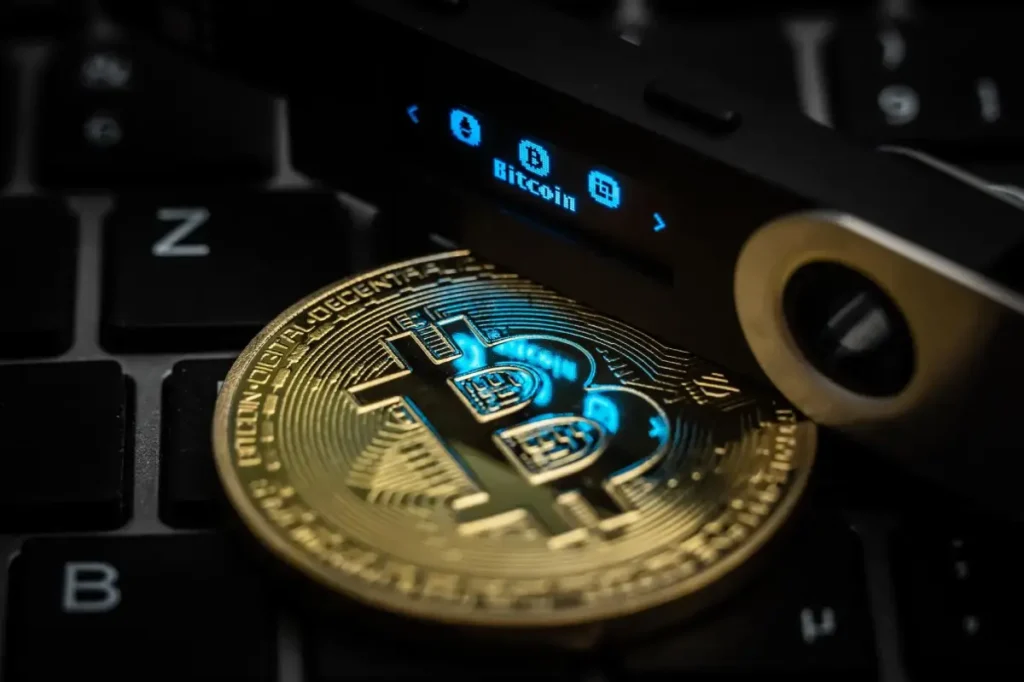
However, transaction-level security is only part of the story. The safety of your digital assets depends significantly on how you store and manage them. Cryptocurrencies are held in digital wallets, which come in various forms—online (hot wallets), hardware (cold wallets), and even paper wallets. While hot wallets are convenient for quick access and trading, they are more vulnerable to cyberattacks, phishing scams, and malware. On the other hand, cold wallets, which are not connected to the internet, offer a much higher level of security.
Another risk comes from centralized exchanges. Although major platforms like Coinbase, Binance, and Kraken implement strong security measures, they can still be targeted by hackers. Over the years, several high-profile exchange hacks have led to the loss of millions of dollars in crypto assets. For that reason, many experts advise storing long-term holdings in cold wallets and only keeping what you need for trading on exchanges.
Additionally, user behavior plays a critical role in digital asset safety. Weak passwords, lack of two-factor authentication, and falling for social engineering attacks can all lead to asset loss—even if the technology itself remains secure.
In conclusion
Cryptocurrencies can be very safe if users take proper precautions. Blockchain networks are robust, but safeguarding your private keys, using secure wallets, and following cybersecurity best practices are crucial. Like any financial tool, the security of cryptocurrencies is as much about the user’s habits as it is about the system itself.