
Ripple’s introduction of RLUSD, its NYDFS‑approved stablecoin, has reignited heated discussion over the future role of XRP within the Ripple ecosystem. RLUSD—fully backed by U.S. dollar deposits and short‑term Treasuries, and regulated in New York—is now live on Ethereum and the XRP Ledger, with a market cap exceeding $440 million and listings growing fast.
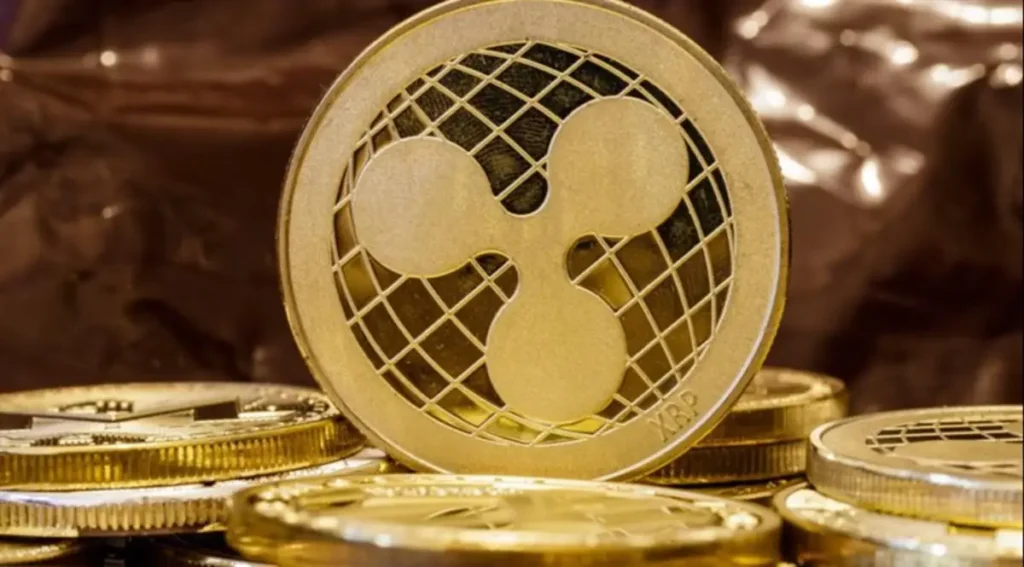
Proponents argue RLUSD enhances Ripple’s On‑Demand Liquidity (ODL) by giving institutions a transparent, compliant dollar‑peg, pushing Ripple closer to obtaining a U.S. national bank charter and Fed master account for deeper financial integration. Its debut on platforms like AMINA Bank and Bitget—alongside strategic partnerships—suggests a pivot towards stablecoins to meet institutional demand.
However, this pivot has stirred concern among XRP champions, who fear RLUSD might undercut XRP’s utility. Critics worry that RLUSD’s stable value could overshadow XRP’s volatility-driven liquidity role in cross‑border flows. Ripple CTO David Schwartz, among others, has countered that XRP retains vital functions—being the sole token for network transaction fees, account reserves, and cross-ledger autobridging on the XRPL—which make it irreplaceable.
On‐chain metrics reflect market uncertainty: Ripple unlocked 1 billion XRP in July, triggering a whale sell‑off that pressured prices, even as some analysts remain optimistic about XRP’s long‑term regain fueled by Ripple’s strategy . Meanwhile, critics caution RLUSD may struggle to hold its peg—a hangover from past tensions with dominant rivals like Tether.
In summary, RLUSD marks a bold new front in Ripple’s playbook—the stablecoin complements XRP but could also cannibalize some liquidity flows. XRP’s future may hinge on Ripple executing dual‑rails for stablecoins and its native token, preserving XRP’s structural role while extending reach through RLUSD.