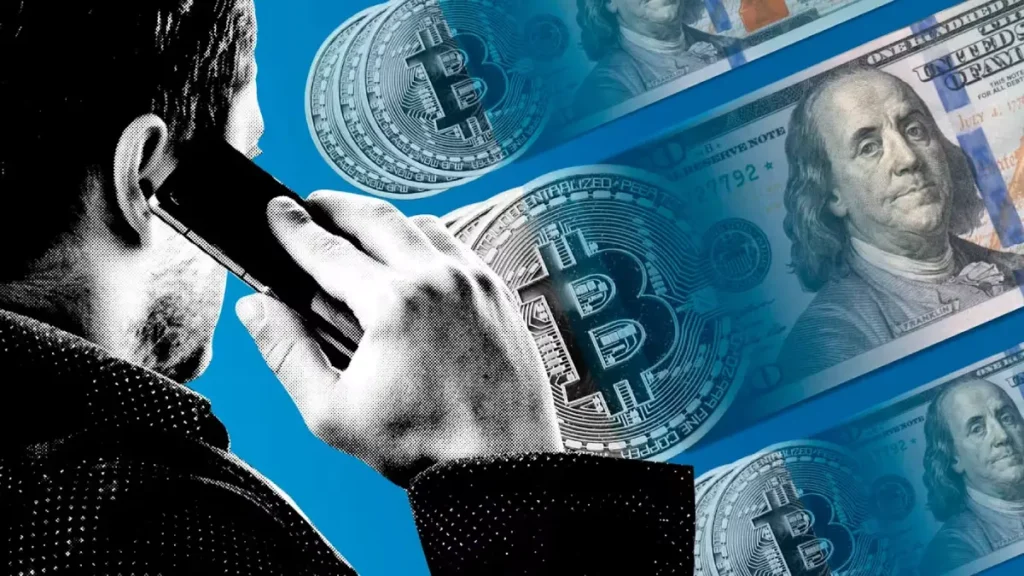
Jurrien Timmer of Fidelity suggests Bitcoin may become part of a “new world order” if the US dollar weakens. As the dollar sinks and inflation bites, Bitcoin could emerge as an alternative reserve or quasi-global currency, signaling a shift in financial power.
In a recent analysis, Jurrien Timmer, director of global macro at Fidelity, highlighted Bitcoin’s potential to redefine global finance if the US dollar continues its decline. He argued that a sustained downtrend in the dollar could pave the way for alternative assets—non‑US equities, commodities—and perhaps Bitcoin, to gain more prominence.
The dollar has experienced its worst half‑year performance since the 1970s, plunging about 10% against major fiat currencies. With the euro up ~14% and the pound at multi‑year highs, real interest rates in the U.S. are feeling pressure, prompting expectations of Federal Reserve rate cuts. Timmer pointed out that while gold has historically benefited in such environments, its correlation with real rates has weakened. Bitcoin—often dubbed “digital gold”—could be the next beneficiary.
This narrative aligns with broader institutional interest in Bitcoin as a store of value and hedge against currency debasement. Fidelity’s Timmer isn’t alone in viewing Bitcoin as part of the emerging financial order. Other analysts and investment firms are increasingly treating it as a strategic asset in scenarios of dollar weakness.
Still, challenges remain. Bitcoin’s extreme price volatility, regulatory uncertainty, and limited global adoption as actual currency continue to pose hurdles. Yet, with macroeconomic pressures mounting and central banks exploring digital alternatives—including central bank digital currencies (CBDCs)—Bitcoin’s evolving role becomes more compelling.
If global confidence in the US dollar continues eroding, Bitcoin may play a significant role in a recalibrated financial architecture. It would represent more than just a speculative asset—it could serve as part of the emerging reserve-based “new world order.”